Hydraulic Fluid Types & ISO Grades
Hydraulic systems power some of the hardest-working equipment in construction, agriculture, manufacturing, material handling, and other industrial operations. The hydraulic fluid inside these systems does much more than transfer power. It also lubricates moving components, helps manage heat, protects against wear and corrosion, and supports reliable operation.
Choosing the right hydraulic fluid therefore involves more than picking a familiar brand or viscosity grade. The correct product needs to match the equipment manufacturer’s requirements, operating temperature, pressure, component design, and working environment.
This guide explains the main types of hydraulic fluids, common ISO viscosity grades, hydraulic oil additives, contamination and compatibility concerns, and the factors to consider when selecting hydraulic oil for your equipment.
What Is Hydraulic Fluid and What Does It Do?
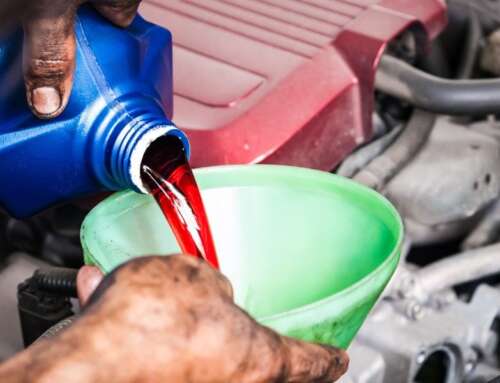
Hydraulic fluid is a liquid used to transfer power through a hydraulic system while also lubricating, cooling, and protecting system components.
When a pump pressurizes the fluid, that pressure is transferred through hoses, valves, cylinders, and other components to create movement or force. This is what allows hydraulic equipment to lift, push, steer, brake or operate attachments.
Hydraulic fluids are used in equipment such as:
- Excavators and loaders
- Tractors and agricultural machinery
- Forklifts and material-handling equipment
- Industrial presses and manufacturing machinery
- Hydraulic lifts
- Snow-removal equipment
- Pumps and mobile equipment
Because hydraulic systems vary considerably, there is no single hydraulic fluid that is right for every application.
Hydraulic Oil vs. Hydraulic Fluid: What Is the Difference?
The terms hydraulic oil and hydraulic fluid are often used interchangeably, but hydraulic fluid is the broader term.
Hydraulic oil generally refers to oil-based hydraulic fluids, including many mineral and synthetic products. Hydraulic fluid can also include specialized formulations such as water-glycol, synthetic ester, and other fire-resistant or environmentally considerate fluids.
For most conventional industrial, construction, and agricultural hydraulic systems, mineral-based anti-wear hydraulic oils are common. Specialized operating conditions, however, may require a different fluid chemistry.
What Are the Main Types of Hydraulic Fluid?
Understanding hydraulic fluid types is important because the base fluid affects temperature performance, oxidation resistance, compatibility, service life and environmental characteristics.
Mineral-Based Hydraulic Oil
Mineral hydraulic oils are refined from petroleum and widely used in industrial and mobile hydraulic equipment. Additive packages can provide anti-wear protection, oxidation resistance, corrosion protection and other performance benefits.
They are commonly selected when they meet the OEM specifications and temperature requirements of the equipment.
Synthetic Hydraulic Fluid
Synthetic hydraulic fluids use engineered base stocks to achieve specific performance properties. Depending on the formulation, they may offer advantages such as improved oxidation stability, better low-temperature flow, or greater performance across wide temperature ranges.
Synthetic does not automatically mean better for every machine. The fluid still needs to meet the equipment manufacturer’s viscosity, material compatibility, and performance requirements.
Fire-Resistant Hydraulic Fluids
Where hydraulic equipment operates near furnaces, molten metal, ovens or other ignition sources, conventional mineral hydraulic oil may present an unacceptable fire risk.
Specialized fire-resistant hydraulic fluids include water-glycol and synthetic anhydrous formulations. These products are designed for applications where reducing the likelihood or severity of fluid ignition is important.
Fire-resistant fluids should not be treated as interchangeable, with conventional hydraulic oil. Fluid chemistry can affect seals, hoses, paints and other system materials, so conversions should follow OEM and fluid-manufacturer recommendations.
Biodegradable Hydraulic Fluids
Biodegradable or environmentally considerate hydraulic fluids may be appropriate where leakage could affect soil, waterways, or other environmentally sensitive areas.
They may be considered for agriculture, forestry, marine equipment, or machinery operating near water. Inventory Express also provides additional information about the benefits of biodegradable lubricants in agricultural operations.
Biodegradability alone should not determine product selection. The fluid must also meet the hydraulic system’s requirements for viscosity, lubrication, oxidation stability, and component compatibility.
What Do ISO Hydraulic Oil Viscosity Grades Mean?
Viscosity describes a fluid’s resistance to flow and is one of the most important factors when choosing hydraulic oil.
Most industrial hydraulic oils are classified using the ISO Viscosity Grade, or ISO VG, system. The ISO VG number corresponds approximately to the oil’s kinematic viscosity at 40°C. As the ISO VG number increases, the fluid becomes more viscous, or thicker.
Three commonly encountered grades are:
| ISO Viscosity Grade | General Characteristic |
| ISO VG 32 | Lower-viscosity hydraulic oil that flows more readily and may suit certain cooler-temperature or high-speed applications |
| ISO VG 46 | A medium-viscosity grade commonly used across many industrial hydraulic applications |
| ISO VG 68 | A higher-viscosity hydraulic oil that may be specified for higher operating temperatures or heavier-duty applications |
These are general characteristics, not universal application rules. An ISO VG 46 oil should not automatically replace ISO VG 32 or ISO VG 68 simply because the machinery appears similar.
Always confirm the required ISO viscosity grade in the equipment manual or OEM specifications.
How Does Temperature Affect Hydraulic Oil Viscosity?
Temperature and viscosity are closely connected.
As hydraulic oil becomes colder, it becomes more viscous and flows more slowly. If the fluid is excessively thick during startup, the pump may have difficulty drawing and circulating oil efficiently.
As hydraulic oil becomes hotter, its viscosity decreases. Fluid that becomes too thin may provide inadequate lubrication, increase internal leakage, or reduce hydraulic efficiency.
This matters particularly for equipment operating through Ontario’s seasonal temperature changes, where machinery may encounter cold winter starts and significantly warmer summer operating conditions.
Why Viscosity Index Matters
The viscosity index (VI) indicates how much a lubricant’s viscosity changes as temperature changes.
A higher-viscosity-index hydraulic fluid generally experiences less viscosity change across a broad temperature range than a lower-VI fluid. Equipment exposed to substantial temperature variation may therefore require a hydraulic oil specifically designed for wide operating ranges.
While the viscosity index is only one factor to consider, OEM requirements remain the essential starting point.
Which Hydraulic Fluid Additives Matter?
Hydraulic fluids often contain additives designed to improve protection or performance. The exact additive package depends on the application.
Common hydraulic oil additives include:
- Anti-wear additives: Help protect pumps and other moving components from wear.
- Antioxidants: Slow oxidation and fluid degradation, helping control sludge and deposits.
- Rust and corrosion inhibitors: Protect metal surfaces from moisture-related corrosion.
- Anti-foam additives: Reduce foam formation that can interfere with lubrication and hydraulic response.
- Viscosity modifiers: Help fluids maintain appropriate viscosity across changing temperatures.
- Demulsifying additives: Help certain hydraulic oils separate from water so contamination can be removed.
Choosing an additive package should be based on system design and operating demands rather than assuming that more additives automatically equal better performance.
Can You Mix Different Hydraulic Fluids?
Different hydraulic fluids should not be mixed unless their compatibility has been confirmed.
Even when two products have the same ISO viscosity grade, their base oils and additive systems can differ. Mixing incompatible fluids may affect viscosity, wear protection, water separation, foam control, filtration, or seal compatibility.
Compatibility becomes even more important when changing between mineral oil, biodegradable hydraulic fluid, water-glycol fluid, or other fire-resistant formulations.
If a system needs to be converted to a different fluid type, check the OEM requirements and lubricant supplier’s conversion procedures. In some cases, draining, flushing, or replacing filters and seals may be required.
How Does Hydraulic Fluid Contamination Affect Equipment?
Contamination is one of the major threats to hydraulic system reliability.
Common hydraulic fluid contaminants include:
- Dirt and abrasive particles
- Water
- Air
- Wear debris
- Degraded oil and oxidation by-products
- Incorrect or incompatible lubricants
Particles can accelerate wear in pumps, valves, and other precision components. Water may promote corrosion and affect lubricant performance, while air can contribute to foaming and inconsistent hydraulic operation.
Good contamination control starts before the fluid enters the machine. Store lubricants correctly, keep dispensing equipment clean, use appropriate filtration, and avoid leaving containers open to moisture or dirt. For a deeper look at identifying problems, see Inventory Express’s guide to performing a lubricant health check for degradation and contamination.
For critical or high-value equipment, oil sample testing can also help identify contamination, lubricant degradation and abnormal wear before they contribute to unexpected failure.
Why Thermal Stability and Oxidation Resistance Matter
Two important qualities from the original hydraulic-fluid selection process remain essential: thermal stability and oxidation resistance.
Thermal stability describes a fluid’s ability to resist harmful changes when exposed to elevated operating temperatures. A thermally unstable lubricant can contribute to deposits, varnish and declining system performance.
Oxidation occurs as oil reacts with oxygen over time, with heat often accelerating the process. Oxidation can increase viscosity and create acids, sludge, or deposits.
A hydraulic oil with suitable oxidation resistance can support longer fluid life and cleaner system operation, but oil condition should still be monitored rather than relying on a fixed service interval alone.
How to Choose the Right Hydraulic Fluid for Your Equipment
When asking “What hydraulic fluid do I need?”, begin with the machine rather than the lubricant shelf.
Consider these factors:
- Check the OEM specification. Confirm the required viscosity grade, fluid classification, approvals, and performance specifications.
- Consider operating temperatures. Account for both ambient temperature and the temperature the hydraulic system reaches during operation.
- Evaluate equipment load and pressure. Heavy-duty and high-pressure applications may have different anti-wear and viscosity requirements.
- Consider the operating environment. Exposure to water, dust, fire hazards, or environmentally sensitive areas may influence fluid selection.
- Confirm material and fluid compatibility. Check compatibility before changing product chemistry or mixing fluids.
- Review contamination-control requirements. Filtration, fluid cleanliness, and storage practices are essential to long-term system reliability.
- Monitor fluid conditions. Oil analysis can help determine whether a fluid is still serviceable and identify developing equipment problems.
Choosing Hydraulic Fluid by Industry and Application
The right hydraulic oil also depends on how and where equipment is used.
Construction equipment may operate under high loads, dust, vibration and changing outdoor temperatures, making anti-wear protection, cleanliness and viscosity selection especially important. Inventory Express carries oils and lubricants for construction machinery, including hydraulic fluids, greases and other products for demanding construction applications.
Agricultural machinery can experience seasonal temperature swings, moisture, dirt, and long operating periods during planting and harvest. Hydraulic systems are common throughout modern farm equipment, and some machines require specialized tractor hydraulic fluids rather than standard hydraulic oil.
Manufacturing and industrial equipment may run continuously and require strong oxidation resistance, reliable water separation, and consistent viscosity to support uptime. Inventory Express supplies a broad range of industrial lubricants, including hydraulic fluids for industrial machinery.
Material-handling and mobile equipment such as forklifts and lifts depend on predictable hydraulic response and the correct viscosity across repeated operating cycles.
The key is to match the lubricant to the equipment, environment, and OEM requirements rather than selecting one hydraulic fluid for an entire operation without reviewing individual machines.
Frequently Asked Questions About Hydraulic Fluids
What is the difference between ISO 32, 46, and 68 hydraulic oils?
The primary difference is viscosity. ISO VG 32 is less viscous than ISO VG 46, while ISO VG 68 is more viscous. The correct grade depends on the equipment manufacturer’s requirements, system design, and operating temperature.
Is thicker hydraulic oil better?
Not necessarily. Hydraulic fluid that is too thick can increase resistance, reduce efficiency, and cause poor cold-start performance. Fluid that is too thin may increase leakage and provide inadequate lubrication. The goal is the correct viscosity, not simply the highest viscosity.
Can I use a different ISO grade of hydraulic oil?
Only when the equipment manufacturer or qualified lubricant specialist confirms that the alternative grade is appropriate for the machine and operating conditions. Do not substitute viscosity grades based on availability alone.
How do I know when hydraulic oil needs to be changed?
Drain intervals vary by equipment, lubricant, and operating conditions. Changes in viscosity, contamination, oxidation, abnormal wear debris, and declining fluid performance can indicate that service is required. A used oil analysis can provide a clearer picture of fluid condition than relying exclusively on elapsed time.
Find the Right Hydraulic Oil with Inventory Express
The right hydraulic fluid can help protect pumps and components, maintain efficient operation, reduce unnecessary wear, and improve equipment reliability. The wrong product, or the right product used under the wrong conditions, can lead to poor performance, increased maintenance, and avoidable downtime.
Inventory Express has more than 30 years of experience helping businesses select oils and lubricants for industrial, construction, farming, and other equipment. The company carries products from a wide range of trusted oil and lubricant suppliers and provides hydraulic oils in multiple viscosities and packaging options.
Inventory Express provides lubricant delivery throughout its Ontario service area, with oil sample testing also available to help businesses monitor lubricant and equipment condition.
Contact Inventory Express today to discuss your hydraulic fluid requirements, find the right hydraulic oil for your equipment and arrange reliable lubricant delivery.